Korean Bibimbap
Highlighted under: Traditional Favorites
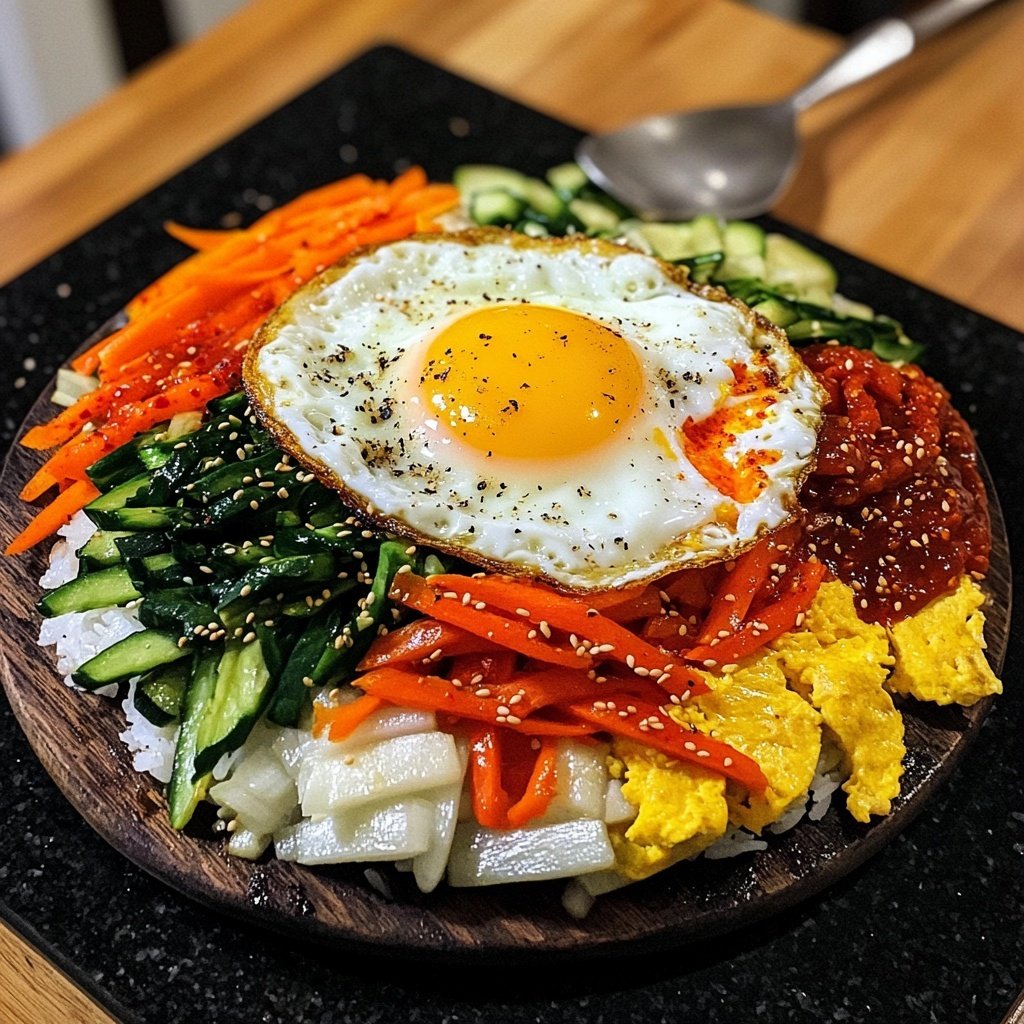
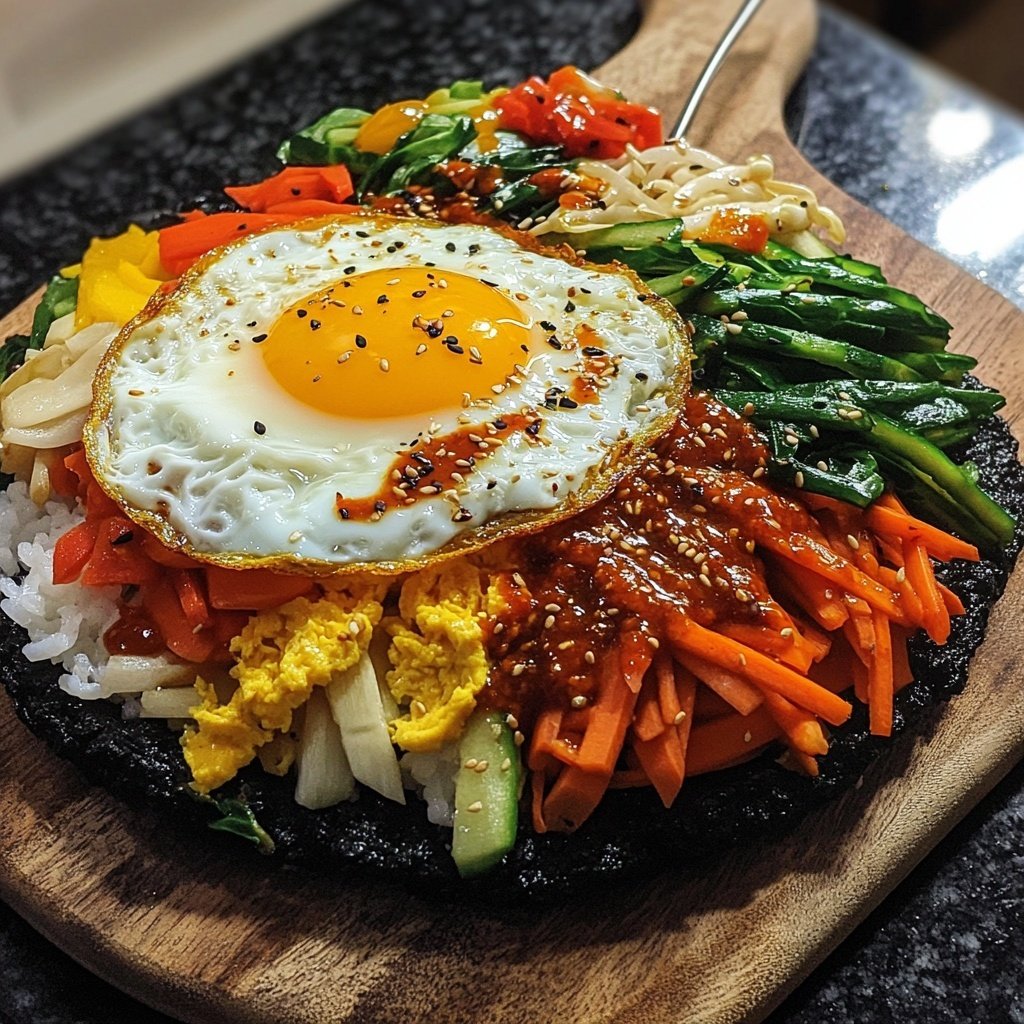
Korean Bibimbap is a vibrant and nutritious rice dish topped with a variety of vegetables, a fried egg, and spicy gochujang sauce. Perfect for a quick meal or a feast with family and friends.
Discover the flavors of Korea with this delicious Bibimbap recipe. A colorful array of vegetables, perfectly cooked rice, and a spicy kick make this dish a favorite for many. Enjoy it as a wholesome lunch or dinner!
Why You'll Love This Recipe
- A symphony of flavors and textures in every bite
- Customizable with your favorite vegetables and proteins
- Quick to prepare, making it perfect for weeknight dinners
The Essence of Bibimbap
Bibimbap, which translates to 'mixed rice' in Korean, is more than just a meal; it's a culinary experience. This dish embodies the spirit of Korean cuisine with its colorful presentation and harmonious blend of flavors. Each component adds its unique taste and texture, making every bite a delightful surprise. The vibrant vegetables, perfectly cooked rice, and rich gochujang sauce come together to create a dish that's as visually appealing as it is delicious.
Traditionally served in a hot stone bowl, bibimbap offers a satisfying crunch from the crispy rice that forms at the bottom. While the recipe here provides a quick and easy way to enjoy bibimbap at home, don’t hesitate to explore variations that incorporate seasonal ingredients or your favorite proteins. The beauty of bibimbap lies in its adaptability—whether you prefer beef, chicken, tofu, or a mix of vegetables, you can tailor it to suit your tastes.
Health Benefits of Bibimbap
Korean Bibimbap is not only a feast for the eyes but also a powerhouse of nutrients. Packed with a variety of vegetables, including nutrient-dense spinach and carrots, this dish provides an array of vitamins and minerals essential for a balanced diet. The inclusion of healthy fats from sesame oil and protein from eggs makes it a well-rounded meal that can fuel your day.
Moreover, the probiotics found in fermented gochujang can aid digestion, making bibimbap a wholesome choice for those looking to enhance their gut health. By customizing your bibimbap with seasonal vegetables, you can ensure you’re consuming a diverse range of nutrients and antioxidants, promoting overall well-being. Enjoying this colorful dish regularly can contribute to a healthier lifestyle while satisfying your taste buds.
Tips for Perfect Bibimbap
Ingredients
Gather the following ingredients to create your delicious Bibimbap.
For the Bibimbap
- 2 cups cooked rice
- 1 cup spinach, blanched
- 1 cup bean sprouts, blanched
- 1 medium carrot, julienned
- 1 zucchini, julienned
- 1 cup shiitake mushrooms, sliced
- 4 eggs
- 4 tablespoons gochujang (Korean chili paste)
- 1 tablespoon sesame oil
- Sesame seeds for garnish
Feel free to add any other vegetables or proteins of your choice!
Instructions
Follow these steps to create your delicious Bibimbap.
Prepare the Vegetables
In a pan, sauté the zucchini, carrots, and shiitake mushrooms separately until tender. Season with salt and set aside.
Cook the Eggs
In the same pan, fry the eggs sunny side up until the whites are set but the yolk is still runny.
Assemble the Bibimbap
In a large bowl, place a serving of rice at the bottom. Arrange the sautéed vegetables, spinach, and bean sprouts on top of the rice. Place the fried egg in the center.
Add Gochujang and Serve
Drizzle sesame oil and gochujang over the top. Garnish with sesame seeds and serve warm. Mix everything together before eating!
Enjoy your homemade Bibimbap!
Pro Tips
- For an extra flavor boost, consider marinating your vegetables in a bit of soy sauce before cooking.
Storing Leftovers
If you find yourself with leftovers, storing bibimbap is simple. Keep the components separate to preserve the freshness of each ingredient. Store the rice, vegetables, and egg in airtight containers in the refrigerator. This way, you can easily reheat the rice and quickly sauté the vegetables for a delicious meal the next day.
When reheating, add a splash of water to the rice to prevent it from drying out, and consider microwaving it with a damp paper towel for even heating. The vibrant flavors of bibimbap will still shine through, allowing you to enjoy this nutritious dish even on busy days.
Pairing Suggestions
Korean Bibimbap is versatile and can be paired with a variety of side dishes to enhance your meal. Traditional accompaniments include kimchi, which adds a spicy and tangy kick that complements the overall flavor profile of bibimbap. You might also consider serving it with pickled vegetables or a refreshing cucumber salad for an added crunch.
For beverage options, a glass of cold barley tea or a light Korean rice wine, such as makgeolli, pairs beautifully with bibimbap. These drinks balance the meal's flavors and provide a refreshing contrast to the spicy gochujang, making your dining experience even more enjoyable.
Questions About Recipes
→ Can I make Bibimbap vegetarian?
Absolutely! You can skip the eggs or replace them with tofu for a vegan version.
→ How do I store leftovers?
Store leftover Bibimbap in an airtight container in the refrigerator for up to 3 days.
→ Can I use brown rice instead of white rice?
Yes, brown rice can be used for a healthier option, but cooking times may vary.
→ What can I add to my Bibimbap?
You can add any vegetables you like, such as radishes, bell peppers, or even proteins like beef or chicken.
Korean Bibimbap
Created by: Celia Winterbourne
Recipe Type: Traditional Favorites
Skill Level: Intermediate
Final Quantity: 4 servings
What You'll Need
For the Bibimbap
- 2 cups cooked rice
- 1 cup spinach, blanched
- 1 cup bean sprouts, blanched
- 1 medium carrot, julienned
- 1 zucchini, julienned
- 1 cup shiitake mushrooms, sliced
- 4 eggs
- 4 tablespoons gochujang (Korean chili paste)
- 1 tablespoon sesame oil
- Sesame seeds for garnish
How-To Steps
In a pan, sauté the zucchini, carrots, and shiitake mushrooms separately until tender. Season with salt and set aside.
In the same pan, fry the eggs sunny side up until the whites are set but the yolk is still runny.
In a large bowl, place a serving of rice at the bottom. Arrange the sautéed vegetables, spinach, and bean sprouts on top of the rice. Place the fried egg in the center.
Drizzle sesame oil and gochujang over the top. Garnish with sesame seeds and serve warm. Mix everything together before eating!
Extra Tips
- For an extra flavor boost, consider marinating your vegetables in a bit of soy sauce before cooking.
Nutritional Breakdown (Per Serving)
- Calories: 500 kcal
- Total Fat: 20g
- Saturated Fat: 5g
- Cholesterol: 210mg
- Sodium: 600mg
- Total Carbohydrates: 70g
- Dietary Fiber: 6g
- Sugars: 5g
- Protein: 12g